



Blog
Comment naît un sac plastique ? Dans les coulisses d’une usine d’emballage

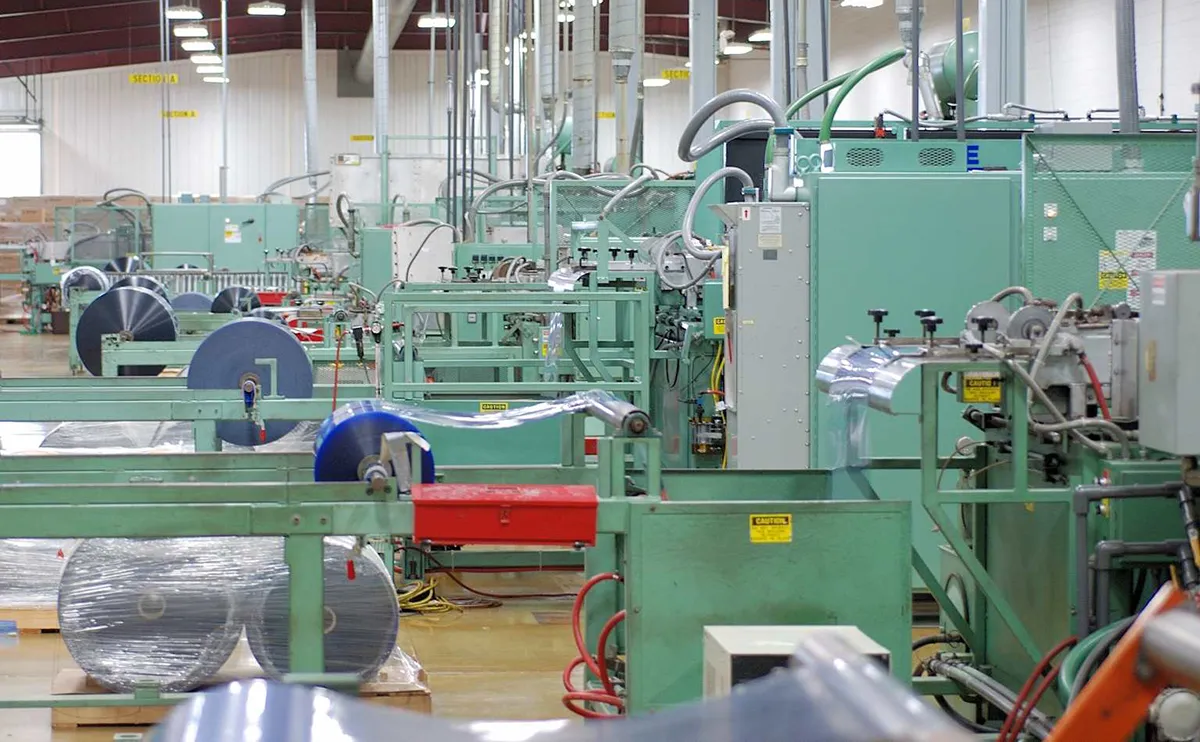

Les sacs plastiques que vous utilisez au quotidien pour vos courses, vos déchets ou vos expéditions suivent un parcours industriel bien précis. Comprendre comment ils sont fabriqués permet de mieux apprécier la qualité et la régularité du produit final. Dans cet article, nous vous emmenons dans les coulisses d’une usine d’emballage comme ECO BAG.
Lorem ipsum dolor sit amet, consectetur adipiscing elit. Ut tempus sagittis nisl eu iaculis. Phasellus ullamcorper, quam quis maximus placerat, dui leo faucibus mauris, sed fringilla ligula odio vitae lectus. Cras id eleifend enim. Nunc luctus augue ut ipsum imperdiet molestie. Ut consequat lectus a sollicitudin sollicitudin. Pellentesque mi augue, euismod ullamcorper lobortis sed, vulputate a risus. Cras luctus sit amet quam in convallis.
You begin with a text, you sculpt information, you chisel away what’s not needed, you come to the point, make things clear, add value, you’re a content person, you like words. Design is no afterthought, far from it, but it comes in a deserved second. Anyway, you still use Lorem Ipsum and rightly so, as it will always have a place in the web workers toolbox, as things happen, not always the way you like it, not always in the preferred order. Even if your less into design and more into content strategy you may find some redeeming value with, wait for it, dummy copy, no less.
You made all the required mock ups for commissioned layout, got all the approvals, built a tested code base or had them built, you decided on a content management system, got a license for it or adapted open source software for your client’s needs. Then the question arises: where’s the content? Not there yet? That’s not so bad, there’s dummy copy to the rescue. But worse, what if the fish doesn’t fit in the can, the foot’s to big for the boot? Or to small? To short sentences, to many headings, images too large for the proposed design, or too small, or they fit in but it looks iffy for reasons the folks in the meeting can’t quite tell right now, but they’re unhappy, somehow. A client that’s unhappy for a reason is a problem, a client that’s unhappy though he or her can’t quite put a finger on it is worse.